Russia's Strategic Use of Jet-Powered Drones in Ukraine
Russia's jet-powered drones redefine the battlefield dynamics in Ukraine, presenting new challenges and opportunities.
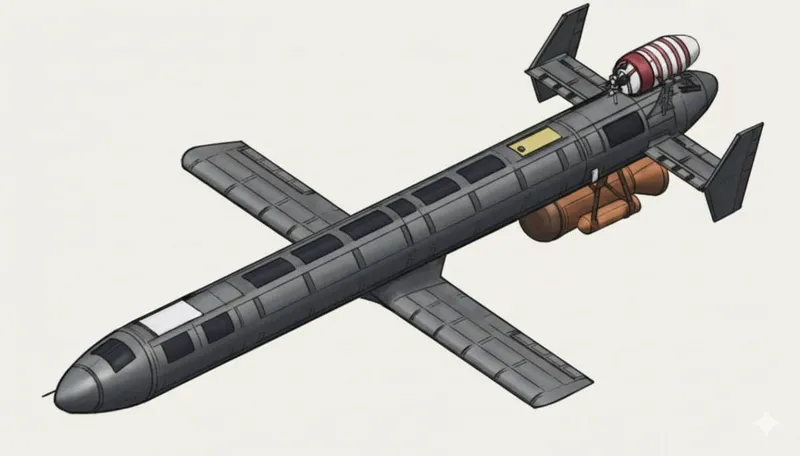
In recent developments, Russia has introduced a new dimension to its military strategy by deploying jet-powered strike drones against Ukraine. This move signifies a shift towards advanced aerial technology in the ongoing conflict, aiming to enhance operational effectiveness and strategic reach. The deployment of such drones suggests Russia's intent to leverage speed and precision in its military operations, marking a notable evolution in the technological landscape of the Ukraine conflict.
Jet-powered drones represent a significant leap in drone warfare technology. These drones are characterized by their speed and agility, surpassing the capabilities of traditional propeller-driven unmanned aerial vehicles (UAVs). The use of jet-powered drones allows for rapid deployment and execution of strike missions, providing a tactical advantage in both offensive and defensive scenarios. Their ability to cover large distances quickly enables them to reach targets that are otherwise difficult to access with slower UAVs.
The jet-powered strike drones can carry a variety of payloads, including precision-guided munitions, which enhance their strike effectiveness. This capability allows for targeted attacks on critical infrastructure and military assets, potentially altering the dynamics of the conflict. This development draws parallels to the use of V-1 flying bombs during World War II, which aimed to cause significant disruption through speed and surprise.
For Ukrainian defense forces, the presence of these advanced drones presents new challenges. The speed and maneuverability of jet-powered drones make them difficult to detect and intercept, necessitating upgrades in radar and anti-drone technologies to effectively counter this threat. The situation echoes the challenges faced during the Gulf War, where coalition forces had to adapt rapidly to counter the threat of Scud missiles.
As drone warfare continues to evolve, it remains critical for both parties involved to adapt their strategies and technologies to maintain a tactical edge in this high-stakes conflict. NATO doctrine emphasizes the importance of maintaining air superiority and investing in counter-drone technologies as part of an integrated defense strategy. The deployment of jet-powered strike drones by Russia not only enhances the offensive capabilities of the Russian military but also poses significant strategic and operational challenges to Ukrainian defense forces.
Source: